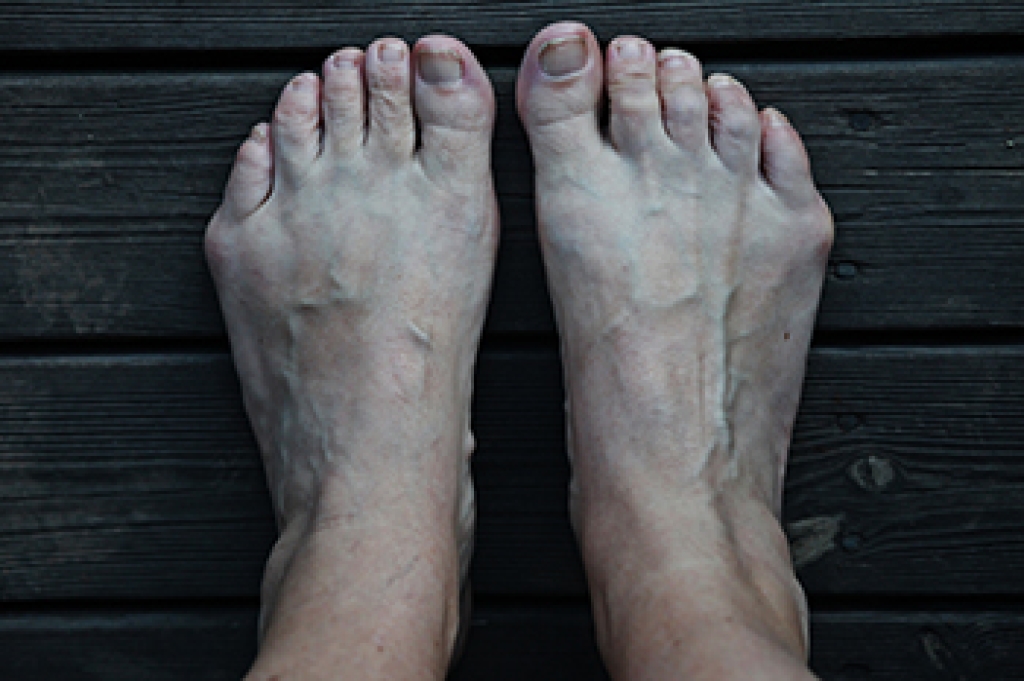
A tailor’s bunion is a bony prominence that develops along the outside edge of the foot near the base of the little toe. Commonly called a bunionette, it forms when the fifth metatarsal bone shifts outward as the little toe angles inward. Symptoms include a bump, tenderness, and pain when wearing narrow shoes. People may develop thickened skin or irritation over the area. Although a tailor’s bunion is not usually dangerous, discomfort can interfere with walking and activities.
Several factors can contribute to a tailor’s bunion. Genetics may influence foot structure, making some people more likely to develop abnormal toe bones or changes in alignment. Flat feet can alter how pressure moves through the foot and may increase stress along the forefoot. Other foot and ankle conditions can also affect alignment and contribute to bunionette formation. Tight or pointed shoes may worsen pressure around the little toe. Risk factors include inherited foot structure, flat feet, and repeated stress from activities that place pressure on the forefoot.
A podiatrist begins treatment by examining the foot and reviewing symptoms, footwear, and history. X-rays may be recommended to evaluate bone position and joint alignment. Treatment often starts with wearing wider shoes that provide adequate toe room. Additionally, padding can protect the bump from friction, while orthotics may help improve pressure distribution. A podiatrist may also recommend medication to reduce discomfort. If pain remains despite conservative care, surgery may be considered to realign the affected bone and improve function.
Understanding the cause of a tailor’s bunion can make treatment more effective. Early care may reduce irritation and prevent symptoms from becoming limiting. If you have a painful tailor’s bunion, it is suggested that you consult a podiatrist who can provide effective relief, treatment, and management solutions.
If you are suffering from bunions, contact Heath Gutterman, DPM of New York. Our doctor can provide the care you need to keep you pain-free and on your feet.
What Is a Bunion?
A bunion is formed of swollen tissue or an enlargement of boney growth, usually located at the base joint of the toe that connects to the foot. The swelling occurs due to the bones in the big toe shifting inward, which impacts the other toes of the foot. This causes the area around the base of the big toe to become inflamed and painful.
Why Do Bunions Form?
Genetics – Susceptibility to bunions are often hereditary
Stress on the feet – Poorly fitted and uncomfortable footwear that places stress on feet, such as heels, can worsen existing bunions
How Are Bunions Diagnosed?
Podiatrists often perform two tests – blood tests and x-rays – when trying to diagnose bunions, especially in the early stages of development. Blood tests help determine if the foot pain is being caused by something else, such as arthritis, while x-rays provide a clear picture of your bone structure to your provider.
How Are Bunions Treated?
- Refrain from wearing heels or similar shoes that cause discomfort
- Select wider shoes that can provide more comfort and reduce pain
- Anti-inflammatory and pain management drugs
- Orthotics or foot inserts
- Surgery
If you have any questions, please feel free to contact our office located in Hampton Bays, NY . We offer the newest diagnostic and treatment technologies for all your foot care needs.
